.png)
Transform Your Garden with Expert Landscape Techniques
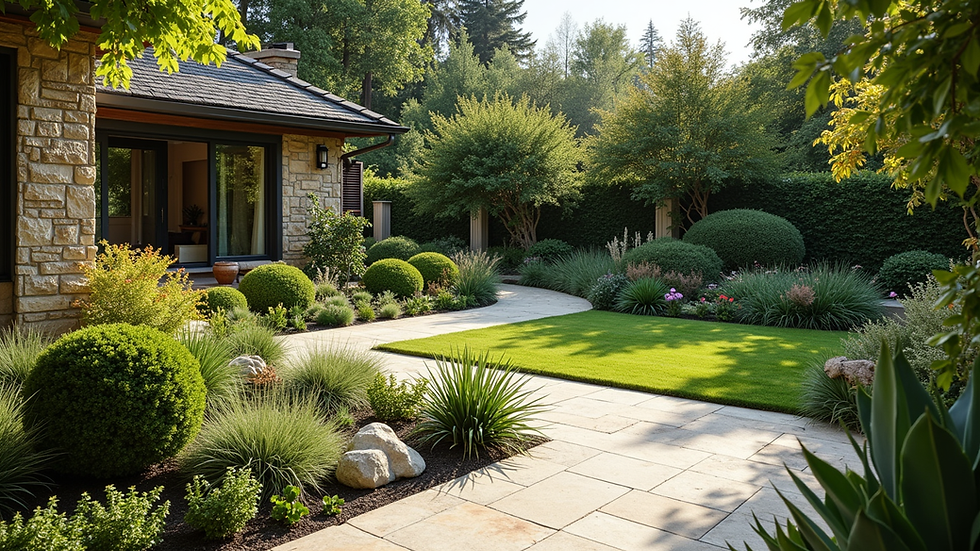
Transforming your garden can seem like a daunting task, but with the right landscape techniques, you can create a stunning outdoor space that reflects your personal style and enhances your home’s curb appeal. Whether you have a sprawling backyard or a cozy balcony, expert landscaping can help you maximize your space and create a beautiful environment. In this post, we will explore various landscape techniques that can elevate your garden, making it a place of relaxation and enjoyment.
Understanding Your Space
Before diving into specific techniques, it’s essential to understand the unique characteristics of your garden. Consider the following factors:
Size and Shape
Small Gardens: Focus on vertical gardening and layering plants to create depth.
Large Gardens: Use pathways and focal points to guide the eye and create structure.
Sunlight and Shade
Observe how sunlight moves across your garden throughout the day. This will help you choose the right plants for each area. For example, shade-loving plants like hostas thrive in darker corners, while sun-loving flowers like marigolds need full sunlight.
Soil Quality
Conduct a soil test to determine its pH and nutrient levels. This information will guide your plant selection and any necessary amendments. Healthy soil is the foundation of a thriving garden.
Designing Your Landscape
Once you have a clear understanding of your space, it’s time to design your landscape. Here are some effective techniques to consider:
Create Focal Points
Focal points draw the eye and create interest in your garden. Consider adding:
Statues or Sculptures: A unique piece can serve as a conversation starter.
Water Features: Ponds or fountains add tranquility and attract wildlife.
Bold Plants: Use large, colorful plants to create a striking visual impact.
Layering Plants
Layering involves placing plants of varying heights and sizes to create depth. Here’s how to do it:
Tall Plants: Position taller plants like sunflowers or hollyhocks at the back of borders.
Medium Plants: Use mid-sized plants like coneflowers or daylilies in the middle.
Short Plants: Place low-growing plants like sedums or creeping thyme at the front.
This technique not only adds visual interest but also ensures that all plants receive adequate sunlight.
Incorporate Pathways
Pathways guide visitors through your garden and can be made from various materials, including:
Stone or Brick: Durable and classic, these materials add a timeless feel.
Gravel: A cost-effective option that allows for good drainage.
Wood Chips: Great for a natural look, especially in rustic gardens.
Consider the width and layout of your pathways to ensure they are functional and inviting.
Choosing the Right Plants
Selecting the right plants is crucial for a successful garden. Here are some tips to help you choose wisely:
Native Plants
Native plants are adapted to your local climate and soil conditions, making them easier to maintain. They also support local wildlife, including pollinators. Research which native plants thrive in your area and incorporate them into your design.
Seasonal Interest
To keep your garden looking vibrant year-round, choose plants that bloom in different seasons. For example:
Spring: Tulips and daffodils provide early color.
Summer: Hydrangeas and roses bloom in full glory.
Fall: Ornamental grasses and asters add texture and color.
Edible Landscaping
Consider incorporating edible plants into your landscape design. Herbs, vegetables, and fruit trees can be both beautiful and functional. For example, a trellis with climbing beans can serve as a decorative element while providing fresh produce.
Maintenance Techniques
Once your garden is established, regular maintenance is key to keeping it looking its best. Here are some essential maintenance techniques:
Pruning
Regular pruning encourages healthy growth and can help shape your plants. Focus on:
Removing Dead or Diseased Branches: This promotes overall plant health.
Shaping Plants: Trim to maintain desired shapes and sizes.
Mulching
Applying mulch around your plants helps retain moisture, suppress weeds, and improve soil quality. Organic mulches, such as wood chips or straw, break down over time and enrich the soil.
Watering Wisely
Watering is crucial, especially during dry spells. Consider these tips:
Deep Watering: Water deeply and less frequently to encourage deep root growth.
Drip Irrigation: This efficient method delivers water directly to the roots, reducing waste.
Adding Personal Touches
Your garden should reflect your personality and style. Here are some ideas for adding personal touches:
Garden Art
Incorporate art pieces that resonate with you, such as:
Wind Chimes: Add a musical element to your garden.
Decorative Pots: Use unique containers to showcase your plants.
Outdoor Furniture
Create a comfortable space to relax and enjoy your garden. Consider adding:
Benches or Chairs: Choose weather-resistant materials for durability.
Tables: A small table can be perfect for enjoying coffee or reading a book.
Lighting
Outdoor lighting can enhance the beauty of your garden at night. Consider:
String Lights: Create a cozy atmosphere.
Solar Path Lights: Illuminate pathways safely and sustainably.
Conclusion
Transforming your garden with expert landscape techniques is an exciting journey that can yield beautiful results. By understanding your space, designing thoughtfully, choosing the right plants, and maintaining your garden, you can create an outdoor oasis that you will enjoy for years to come. Remember to add personal touches that reflect your style, making your garden a true extension of your home. Start planning today, and watch your garden flourish!


Comments