.png)
Landscape Design Principles: Creating Beautiful, Functional, and Sustainable Outdoor Spaces
Landscape design is much more than just planting pretty flowers or laying down turf. It's the art and science of shaping outdoor environments that are aesthetically pleasing, practical for everyday use, and responsive to their surroundings. Whether you're designing a suburban backyard in Melbourne, a coastal garden in Geelong, or a commercial site in regional Victoria, applying core design principles will help you achieve results that look good now and improve with time.
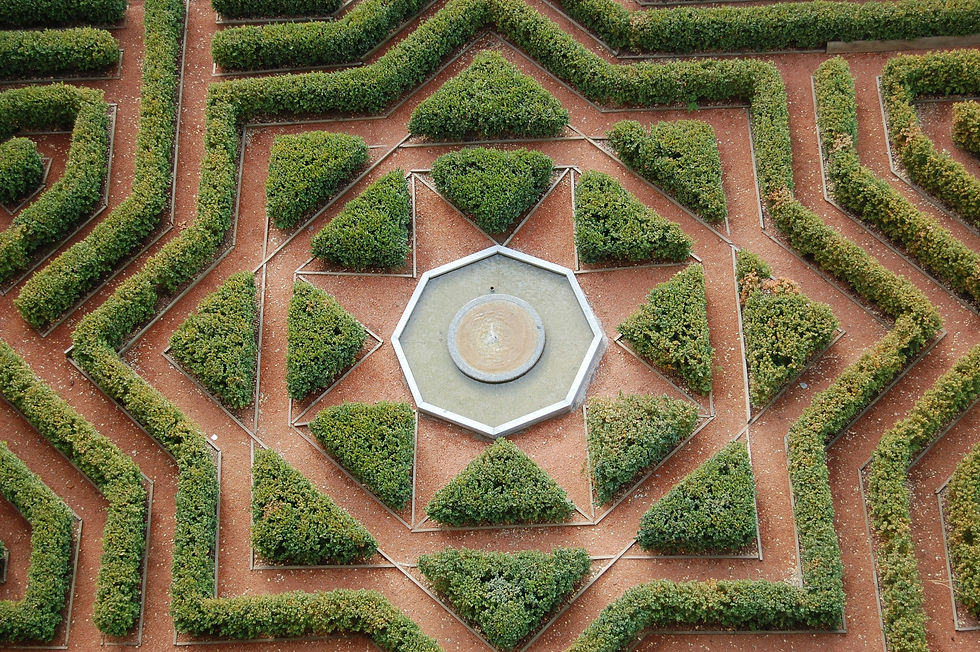
The 8 Fundamental Principles of Landscape Design
1. Unity and Harmony
Every element in your garden should feel like it belongs together. This is achieved by repeating materials, colours, textures, and plant types throughout the space. A unified design creates a sense of cohesion rather than a collection of random features.
2. Balance
Symmetrical balance: Mirror-image layouts (formal and structured).
Asymmetrical balance: Visual weight distributed unevenly but still feeling even (more common in modern residential designs). Good balance prevents a garden from feeling lopsided or chaotic.
3. Proportion and Scale
Elements must be in the right size relationship to each other and to the house or site. A massive pergola next to a small weatherboard home can feel overwhelming, while tiny plants in a large open space may look lost. Always consider mature plant sizes.
4. Rhythm and Movement
Guide the eye through the garden using repetition of lines, shapes, or colours. Curved pathways, repeating plant groupings, or rhythmic hedging can create a natural flow that encourages exploration.
5. Focal Points
Every good landscape needs areas that draw attention — a sculptural tree, water feature, statement sculpture, or bold seating area. Focal points give the design purpose and prevent it from feeling flat.
6. Contrast and Variety
Contrast in texture (fine vs coarse foliage), colour (dark vs light), and form (upright vs spreading) adds interest. However, too much variety creates visual clutter - this is where restraint becomes important.
7. Simplicity
The best designs often look effortless. Avoid overcomplicating the space. A few well chosen elements executed well almost always outperform many mediocre ones.
8. Emphasis
Highlight the most important features while downplaying others. This works hand-inhand with focal points.
Modern Landscape Design Principles for Victoria
Australian conditions demand additional layers of thinking:
Sustainability & Water Sensitivity
Incorporate Water Sensitive Urban Design (WSUD) — rain gardens, permeable paving, swales, and drought-tolerant planting. With Melbourne's variable climate, water-wise gardens are now essential.
Native and Indigenous Plants
Using local species supports biodiversity, requires less maintenance, and strengthens sense of place. Combine natives with carefully selected exotics for year-round interest.
Climate Responsiveness
Design for summer shade, winter sun, and protection from strong winds. Consider bushfire-prone areas (BAL ratings) and coastal wind/salt exposure where relevant.
Functionality First
Beautiful spaces that aren't used are wasted. Think about how the space will actually be lived in - entertaining, children playing, pets, vegetable gardens, meditation zones, etc.
Layering
Create depth with ground covers, mid-level shrubs, and canopy trees. This mimics natural ecosystems and supports wildlife.
Practical Tips for Applying These Principles
Start with a site analysis: Understand soil, drainage, sun patterns, views, and existing features.
Develop a concept plan before buying plants or materials.
Use the "right plant, right place" rule to avoid future problems.
Think in 3D — consider height, width, and seasonal changes.
Budget for quality hardscaping. Good bones (paths, walls, structures) make planting easier to maintain.
Plan for maintenance from day one. Low-maintenance doesn't mean zero-maintenance.
Common Pitfalls to Avoid
Planting too densely without considering mature sizes
Ignoring the relationship between indoor and outdoor living areas
Choosing trendy plants that don't suit local conditions
Creating maintenance nightmares with high-water or high-pruning species
Neglecting the "borrowed landscape" - views to neighbouring trees or ugly fences
Why Good Landscape Design Matters
A well-designed garden doesn't just increase property value - it improves mental health, supports local ecosystems, reduces urban heat, and creates daily joy. In Victoria's growing suburbs, thoughtful landscape design also helps developments meet planning permit expectations around canopy cover, deep soil, and neighbourhood character.
Whether you're a homeowner embarking on a backyard renovation or a developer working on a multi-unit project, understanding these principles will help you create outdoor spaces that feel intentional and timeless.


Comments