.png)
Coastal Garden Design Strategies for Australia
Designing landscapes along Australia’s coast requires a thoughtful approach. The unique environment presents challenges and opportunities that differ from inland areas. We need to consider factors like salt spray, sandy soils, strong winds, and native vegetation. By applying effective coastal garden design strategies, we can create outdoor spaces that are both beautiful and resilient.
In this post, we will explore key principles for coastal landscape design tailored to the Australian context. We will focus on practical advice for homeowners, commercial clients, and developers in coastal Victoria, especially on the Mornington and Bellarine Peninsulas. Our goal is to help you develop sustainable, functional, and visually appealing gardens that thrive in coastal conditions.
Understanding Coastal Garden Design Strategies
Coastal garden design strategies must address the specific environmental conditions found near the sea. These include:
Salt tolerance: Plants and materials must withstand salt spray and salty soil.
Wind resistance: Coastal winds can be strong and persistent, requiring windbreaks and sturdy plantings.
Soil quality: Sandy, low-nutrient soils are common and need improvement or selection of suitable plants.
Water management: Efficient irrigation and drainage are essential due to sandy soils and exposure.
Biodiversity and native species: Using local plants supports the ecosystem and reduces maintenance.
By focusing on these factors, we can create gardens that are not only attractive but also sustainable and low-maintenance.
Selecting Appropriate Plant Species
Choosing the right plants is critical. Native coastal species are adapted to the harsh conditions and provide habitat for local wildlife. Examples include:
Coastal Banksia (Banksia integrifolia): A hardy tree that tolerates salt and wind.
Pigface (Carpobrotus rossii): A groundcover with bright flowers, excellent for stabilising sandy soils.
Coastal Rosemary (Westringia fruticosa): A shrub that withstands salt spray and drought.
Kangaroo Paw (Anigozanthos spp.): Adds colour and texture, thriving in coastal gardens.
Incorporating these plants helps maintain the natural character of the area and reduces the need for extra watering or fertilising.

Designing for Wind and Salt Protection
Wind and salt spray can damage plants and outdoor structures. To protect your garden:
Create windbreaks: Use dense shrubs or fences to reduce wind speed.
Position plants strategically: Place more sensitive species in sheltered spots.
Use hardy materials: Choose corrosion-resistant metals and treated timber for structures.
Incorporate natural barriers: Sand dunes and native vegetation can act as buffers.
These measures help extend the life of your garden and improve comfort for outdoor living areas.
Soil and Water Management in Coastal Gardens
Sandy soils near the coast drain quickly but often lack nutrients. Managing soil and water effectively is essential for plant health.
Improving Soil Quality
Add organic matter: Compost or mulch improves water retention and nutrient content.
Use soil conditioners: Gypsum can help improve soil structure.
Avoid over-tilling: Disturbing soil too much can reduce its natural fertility.
Efficient Irrigation Practices
Drip irrigation: Delivers water directly to roots, reducing waste.
Water at cooler times: Early morning or late evening watering reduces evaporation.
Use drought-tolerant plants: Minimises irrigation needs.
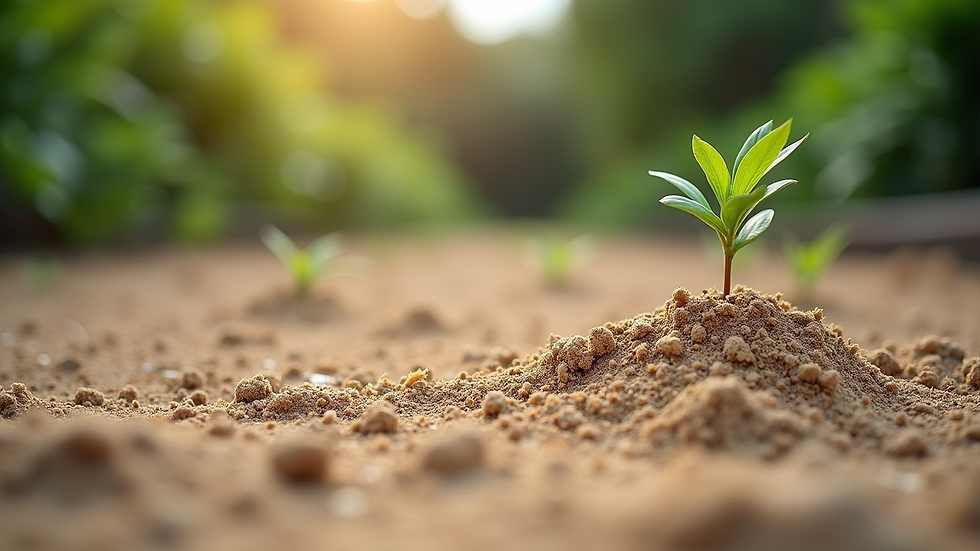
Proper soil and water management ensures your coastal garden remains healthy and sustainable.
Integrating Sustainable Practices
Sustainability is a key principle in coastal landscape design. We aim to reduce environmental impact while enhancing garden resilience.
Use of Native and Drought-Resistant Plants
Native plants require less water and fertiliser. They also support local wildlife, including birds and pollinators.
Minimising Chemical Use
Avoid pesticides and herbicides where possible. Instead, encourage natural pest control through plant diversity and habitat creation.
Rainwater Harvesting
Collecting rainwater for irrigation reduces reliance on mains water and helps manage stormwater runoff.
Mulching and Ground Cover
Mulch conserves moisture, suppresses weeds, and improves soil health. Ground covers protect soil from erosion, especially on slopes.
Navigating Planning Permits and Regulations
In coastal Victoria, planning permits are often required for landscape changes, especially near sensitive environments or heritage areas. Understanding the process helps avoid delays and ensures compliance.
Key Considerations
Check local council requirements: Each council may have specific rules for coastal properties.
Engage early with authorities: Discuss your plans before submitting applications.
Prepare detailed plans: Include plant species, materials, and erosion control measures.
Consider environmental impact: Demonstrate how your design protects native vegetation and wildlife.
By working closely with planning authorities, you can streamline approvals and create a compliant, well-designed coastal garden.
Enhancing Outdoor Living Spaces
A well-designed coastal garden is not just about plants. It should also provide functional and enjoyable outdoor areas.
Creating Comfortable Zones
Sheltered seating areas: Use pergolas or windbreaks to create comfortable spots.
Paths and access: Design paths with durable, non-slip materials suitable for sandy conditions.
Lighting: Use solar or low-energy lighting to enhance usability and safety.
Incorporating Natural Elements
Use local stone and timber: These materials blend with the environment and age well.
Water features: Small ponds or fountains can add interest and attract wildlife.
Outdoor kitchens or fire pits: Extend the usability of your garden for social gatherings.
These features increase the value and enjoyment of your coastal property.
By applying these coastal garden design strategies, we can create outdoor spaces that are both beautiful and resilient. For those interested in more detailed insights and examples, the coastal landscape design blog offers a wealth of information tailored to the unique conditions of coastal Victoria.
We look forward to helping you transform your coastal property into a sustainable and stunning garden that complements the natural surroundings and meets your lifestyle needs.


Comments